Capabilities & services

.avif)
A digital transformation agency typically helps a business update the way it operates through technology. In the conventional sense, that can mean replacing legacy systems, improving internal workflows, building digital products, connecting data sources, or reducing reliance on manual processes.
Most of that work is operational by nature. The company has friction somewhere (outdated tools, disconnected systems, slow execution, poor visibility) and brings in a partner to help modernize the foundation.
At Linkup ST, we work from a broader view. In our experience, technology problems are often real, but they’re rarely isolated. A company might upgrade its systems and still struggle to create demand, move users toward confident decisions, or scale revenue without adding more internal complexity.
So our model is a bit different. We think of it as a scaling & digital transformation agency.
That means we look at transformation not only as a matter of infrastructure, but as a matter of growth mechanics. How demand is generated. How decisions happen. How the business scales without becoming heavier every quarter.
Our system is built around three connected tracks.
- Lead Generation addresses how demand is created, activated, and turned into pipeline.
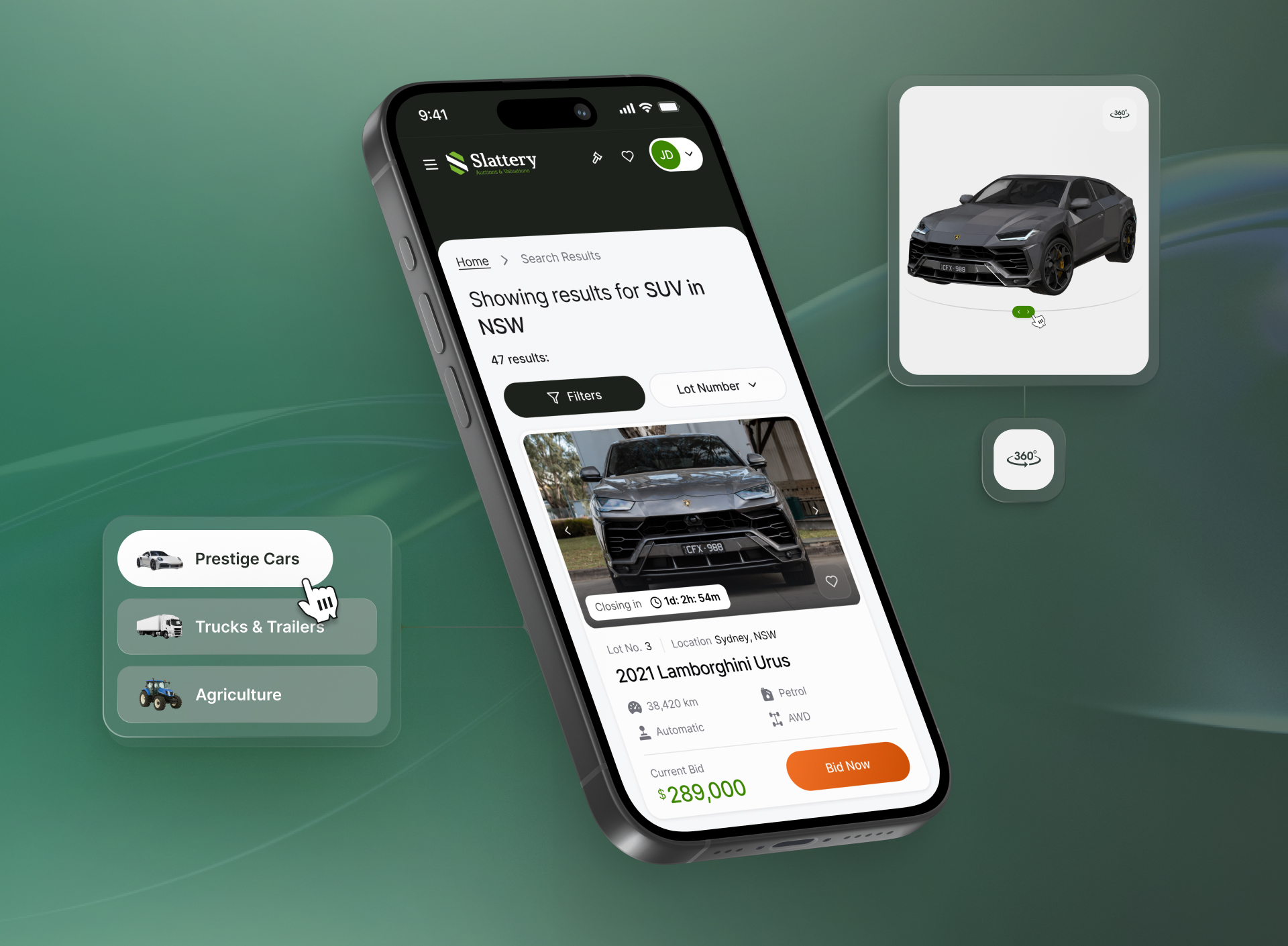
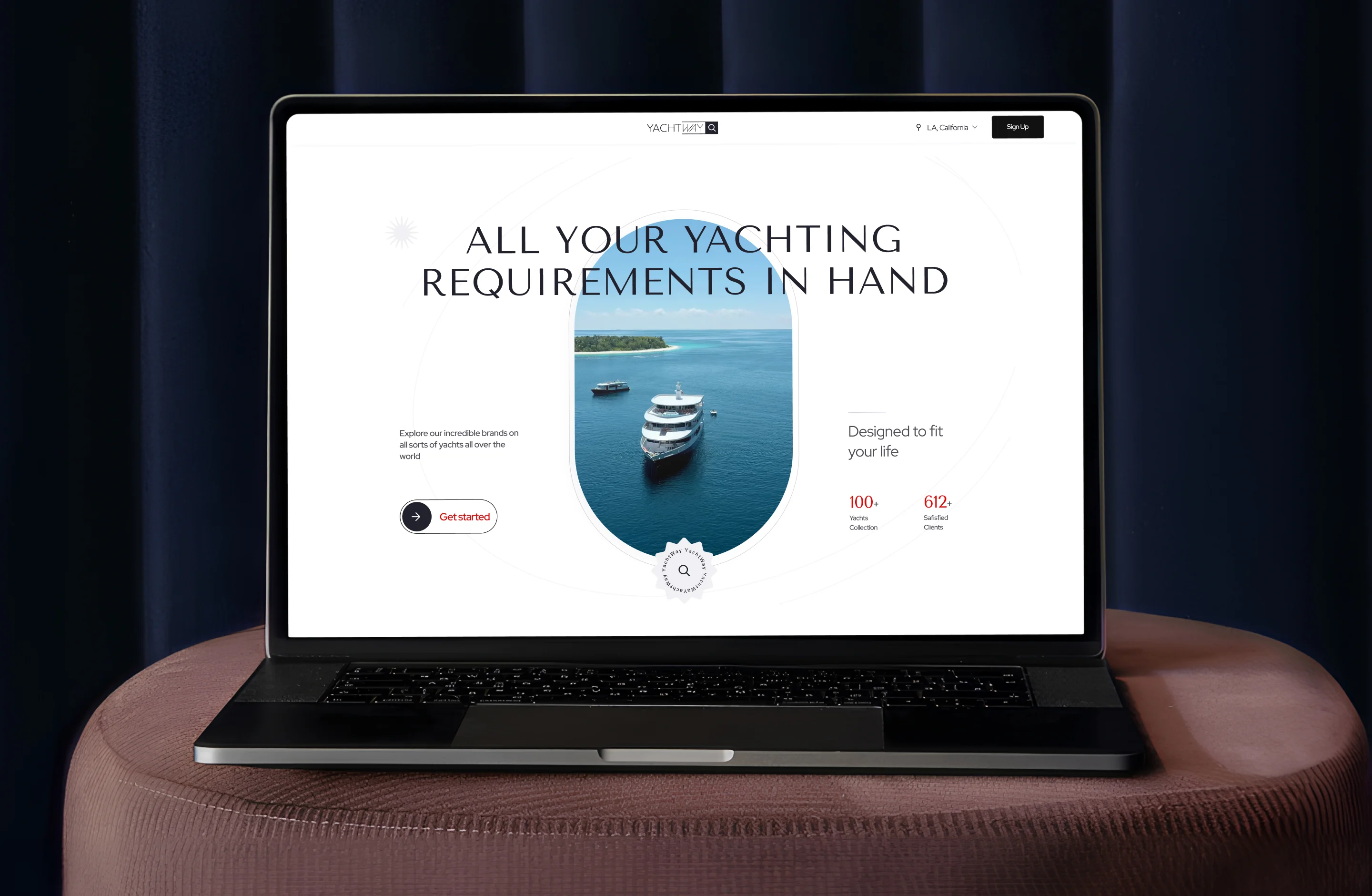
- UI/UX Design shapes how people understand a product, trust what they see, and move forward with less hesitation.
- Technology Leverage gives the business the systems, automation, and operational support to grow revenue without increasing strain across the team.
That’s why we use the term scaling & digital transformation agency. It reflects the thing we’re actually trying to build — not just better tools, but a business system that can carry growth properly.
Our work is structured around three core areas: Lead Generation, UI/UX Design, and Technology Leverage. Some clients come to us for one of these tracks. Others engage across two or all three, depending on where the pressure points are.
Each track can stand on its own. At the same time, we keep the relationships between them in view. Demand generation affects product adoption. Interface design shapes how quickly people trust what they see. Technology determines whether growth can scale without adding operational weight.
Over time we’ve learned that most growth constraints sit somewhere between these areas rather than inside a single function.
When those pieces start working together, growth tends to feel less forced — and the business moves forward with fewer structural limits.
Most of our clients are small and mid-sized businesses that already have a product, a market, and a team in place. They’re past the earliest startup phase, but they’re not operating at the scale of large enterprises either.
This stage creates a specific kind of pressure. The business is growing, but the systems behind that growth often develop unevenly. Marketing may generate interest, yet the pipeline feels unpredictable. The product works, but the experience doesn’t always make decisions easy for new customers. Internal tools and processes start to slow things down as the team expands.
People don’t make decisions based on usability alone. They respond to what they see, how easily they can act, and how the experience stays with them afterward.
So when we design interfaces, we usually think in three layers — emotional, functional, and reflective.
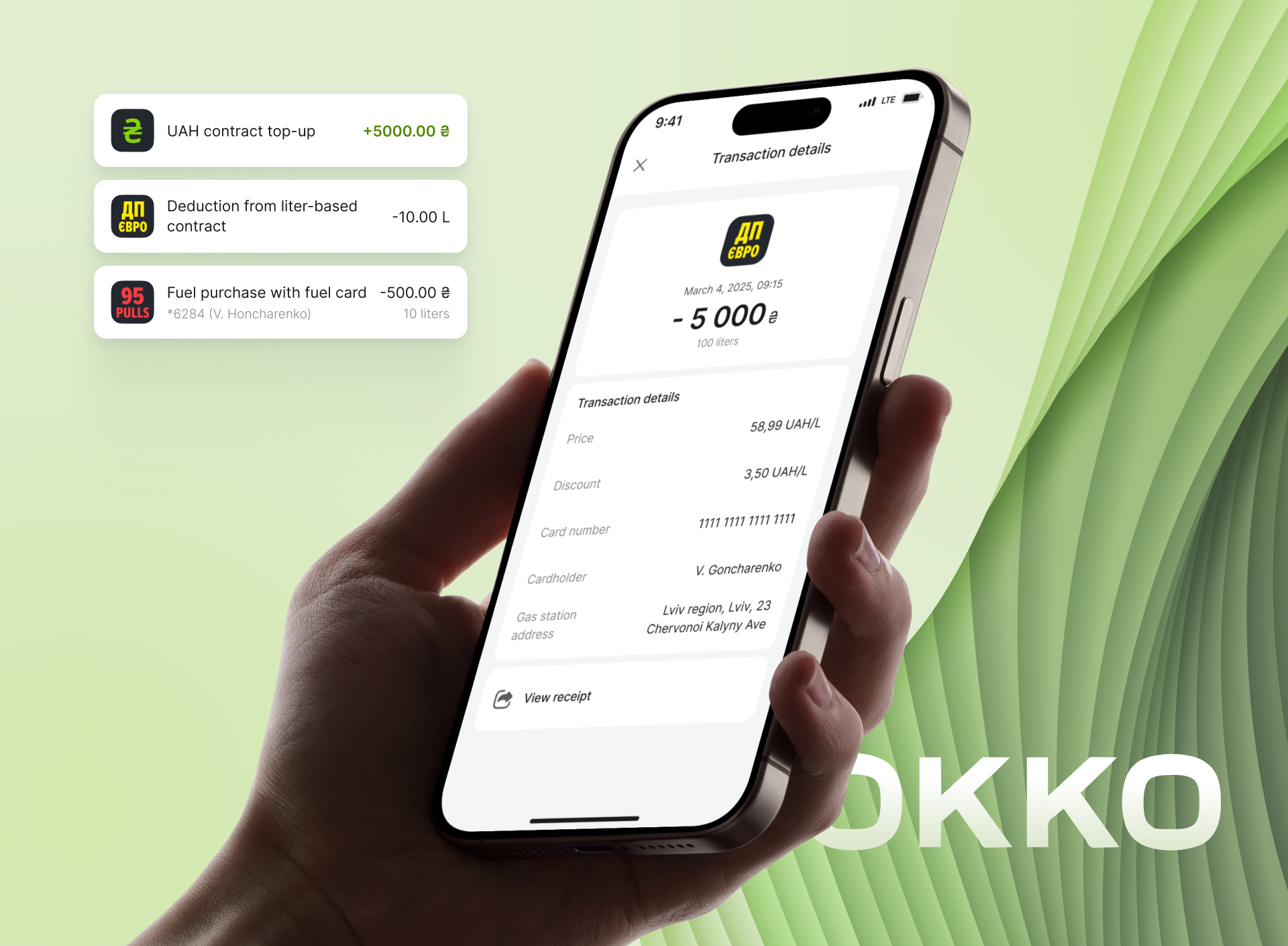
We build things that run your business smoother. Platforms, internal tools, mobile apps, AI automations and agents — the good stuff that saves time and scales ops.
Our LinkedIn lead generation service operates inside a proprietary ecosystem built on more than 1M A/B tests and years of live market experiments. Each Lead Generation Specialist works with shared benchmarks, testing frameworks, and real-time feedback from multiple industries.



.png)
.png)
.png)
.png)
.png)
.png)
.png)


.svg)



%20(1).svg)

.svg)